
A shelter animal transfer moves an animal from one care setting to another, such as from a shelter to a foster home or veterinary clinic. A smooth handoff depends on clear communication, a suitable vehicle, and accurate care information. Each transfer is planned around the animal’s needs and the receiving location’s capacity. Knowing the usual steps can help shelters, foster carers, and clinic staff prepare and reduce uncertainty on transfer day.
Confirm the transfer plan
The sending shelter usually starts by confirming why the animal needs to move and where it is going. Staff check that the receiving shelter, foster carer, or veterinary clinic can accept the animal and agree on a date and arrival window. They also identify any time-sensitive needs, such as medication, a scheduled appointment, or separation from other animals.
Before transport is arranged, confirm who is responsible for each part of the handoff. Share the pickup and drop-off addresses, contact numbers, access instructions, and a backup contact. If plans change, tell everyone involved as soon as possible so the animal is not left waiting or taken to a location that cannot receive it.
Share health and behavior details
The receiving caregiver needs a practical summary of the animal’s health and routine. Include available veterinary records, medication instructions, feeding details, allergies, mobility concerns, and any known exposure risks. Note when the animal last ate or received medication if that information affects the journey or an upcoming appointment.
Describe behavior in clear, specific terms. Explain how the animal responds to handling, unfamiliar people, other animals, carriers, or vehicle travel. Mention what helps the animal stay calm and any known triggers. Avoid guessing when information is unavailable; mark it as unknown so the next caregiver can use appropriate caution.
Prepare for safe transport
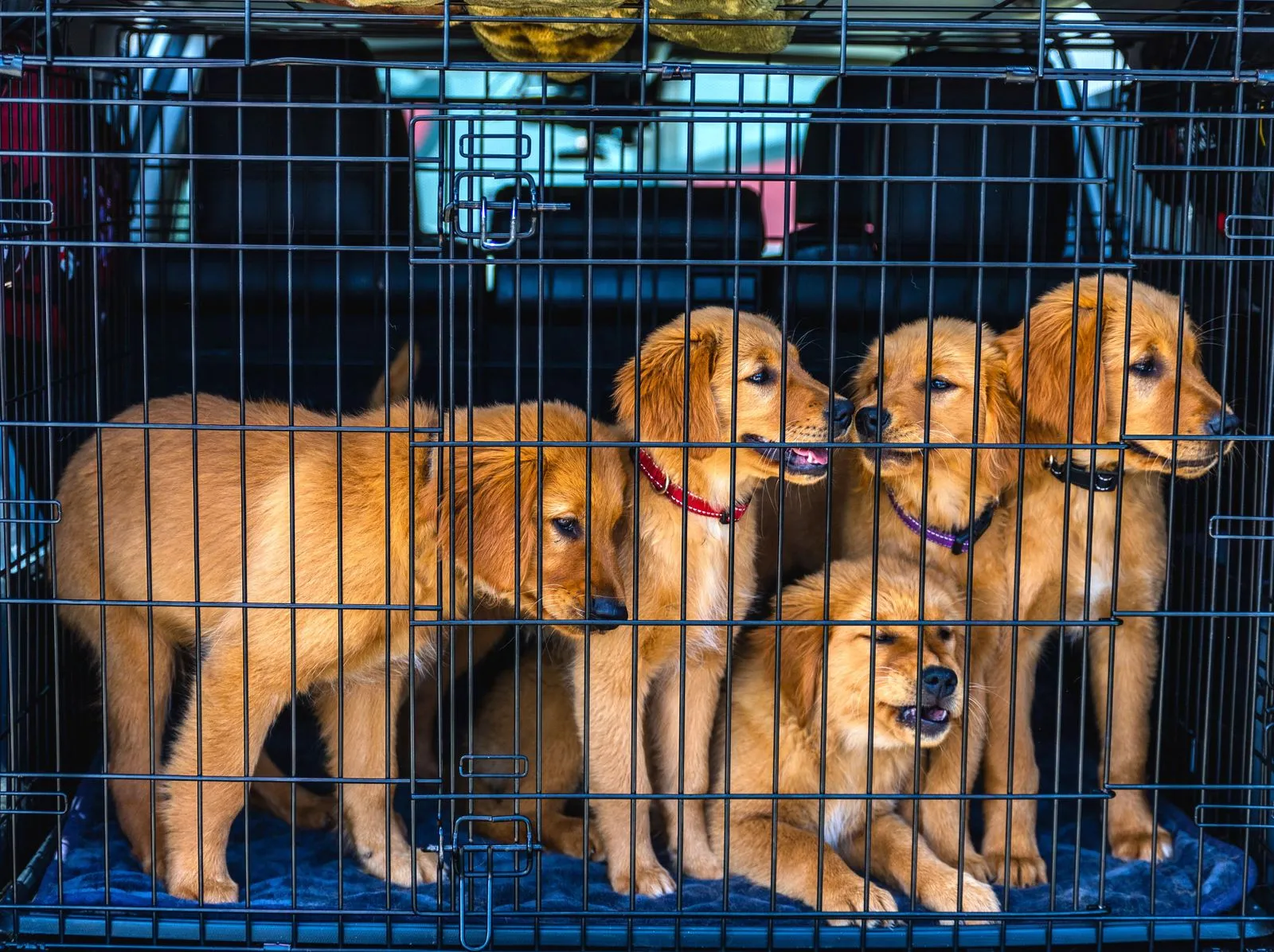
Choose transport arrangements that fit the animal’s size, condition, and temperament. Use a secure, appropriately sized carrier or restraint, and make sure it is clean and in working order. Keep cats in closed carriers and dogs secured with suitable equipment. Do not place animals loose in a vehicle, and avoid transporting animals together unless the responsible care team has confirmed it is safe.
Pack the essentials agreed on by the sending and receiving teams: records, medication, food if needed, and familiar bedding when practical. Confirm who will supervise the animal during travel and who will meet the vehicle at arrival. For animals who are unwell or need clinical monitoring, ask the veterinary team whether special transport arrangements are required.
Complete the handoff
At pickup, verify the animal’s identity and match any paperwork or carrier label to the transfer plan. The sender should pass along records and explain important care instructions directly when possible. The transporter can confirm the destination and estimated arrival with the receiver, while keeping the animal secured and minimizing unnecessary stops.
At drop-off, the receiving person should confirm they have the correct animal and supplies, review medication and follow-up instructions, and ask about anything unclear. If the animal is going to a clinic, share the transfer notes with the veterinary staff and confirm the next step in care. Let the sending shelter know the animal arrived safely so everyone can update their records.
A successful shelter animal transfer relies on a confirmed destination, accurate care notes, safe transport, and a direct handoff. When each person knows their role, the animal can move between shelters, foster care, and veterinary care with fewer surprises. Before arranging a transfer, review the plan with everyone involved and ask the receiving team what they need.